
-

SECURITY HUB
Your security is
our priority.
A safer digital world starts with you.
Welcome to the Deutsche Bank Security Hub
Your go-to resource for practical guidance on staying safe online and protecting your financial information.
Threats continue to evolve, and awareness is key to reducing risk. This site offers clear, actionable insights to help you recognize potential scams, strengthen your digital security, and respond appropriately if something seems suspicious.
Here you will find:
- Straightforward explanations of common fraud tactics such as phishing, vishing, and deepfakes
- Practical steps to take if you suspect fraudulent activity
- Current tips and alerts to help you stay informed
While no solution can eliminate risk entirely, staying informed can make a real difference. Together, we can help protect what matters most.

Take the Security Quiz here Are you equipped to spot modern cyber threats? Take the security quiz
How confidently do you navigate today’s digital landscape?
Test your awareness with our new Security Quiz, designed to sharpen your ability to identify phishing attempts, deepfakes, and social engineering tactics such as shock calls.
You will be guided through four realistic, interactive scenarios where you decide: What is genuine? What should raise suspicion? How would you respond appropriately?
Challenge yourself in situations that mirror real-world threats - and strengthen your ability to make strong decisions in the heat of the moment.
Build your cybersecurity knowledge with our knowledge bases
Knowledge is the key to security – and we are here to guide you on this journey. Expand your knowledge of cybersecurity with our extensive knowledge bases.




You can also find more information about:
Your security is our priority: Read about the most common security threats and learn how to protect yourself against them.

Think twice before sharing your data:
We will never ask you to disclose to us your access credentials (e.g., PIN, activation code, or initial access code/one-time code) whether we are engaging with you by email, text message, phone call, or in person.If you are asked for this information, end the communication immediately and contact us through a trusted channel to report the incident.
Theft, loss or suspected fraud?
For banking related incidents please do not hesitate to reach out to our teams!
Corporate customers please contact your dedicated relationship manager directly.
Acting quickly is essential if something goes wrong:
If you suspect fraud, hacking, or data breach, acting swiftly can help protect your information. Stop any payments you suspect to be fraudulent, secure your accounts, change passwords, and preserve evidence.
Staying vigilant after a suspected attack is key. Report incidents to relevant authorities (e.g. police, consumer protection agencies) and seek professional support if you need more specific guidance.
Our security tips for you

Stay vigilant and trust your instincts
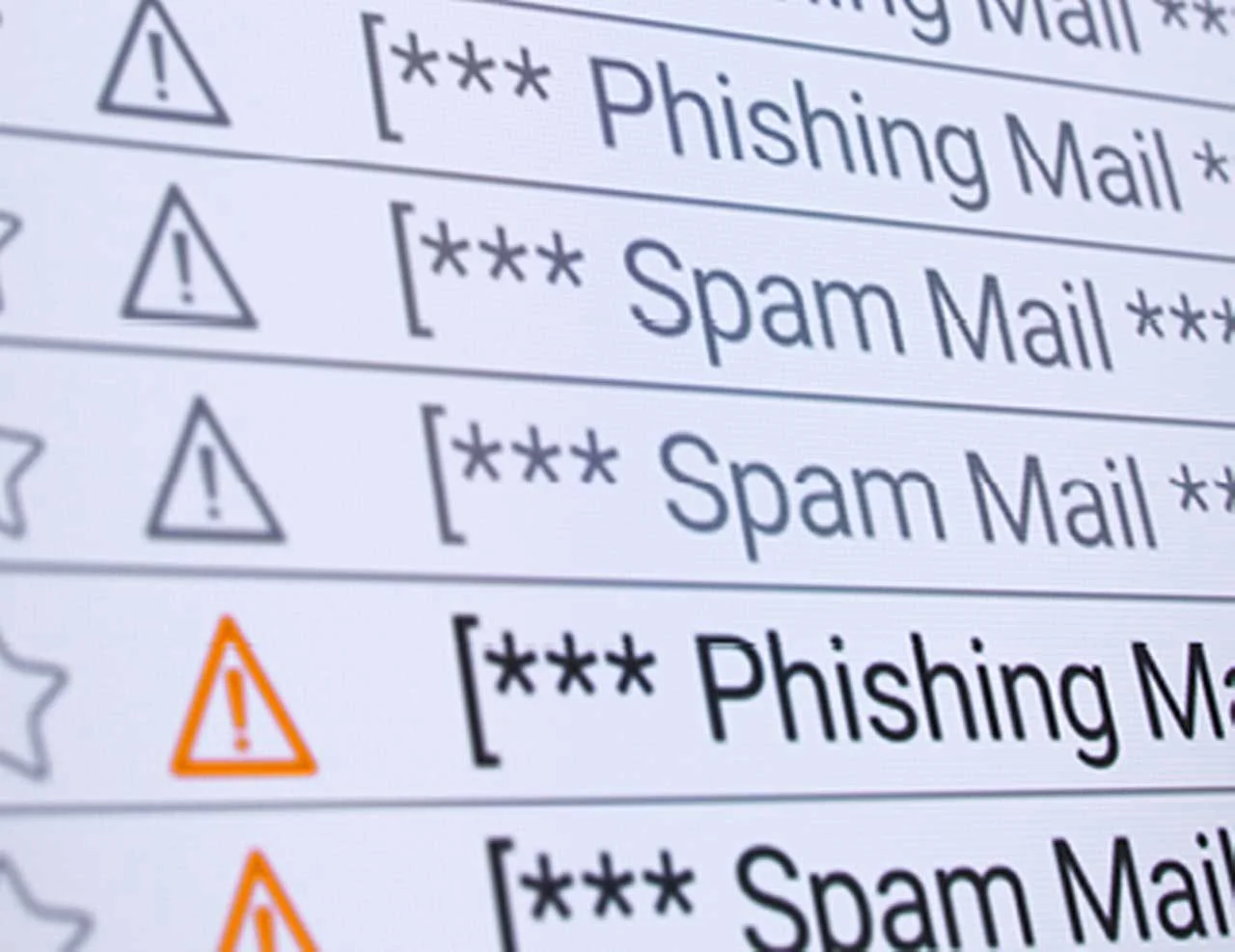
Always be cautious when sharing personal or financial information. Be sceptical of unsolicited messages (email, SMS, or apps) requesting sensitive data or urgent action. Avoid clicking links or downloading attachments from unknown sources. If in doubt, verify messages by contacting the sender directly through official channels.

Use strong and unique passwords
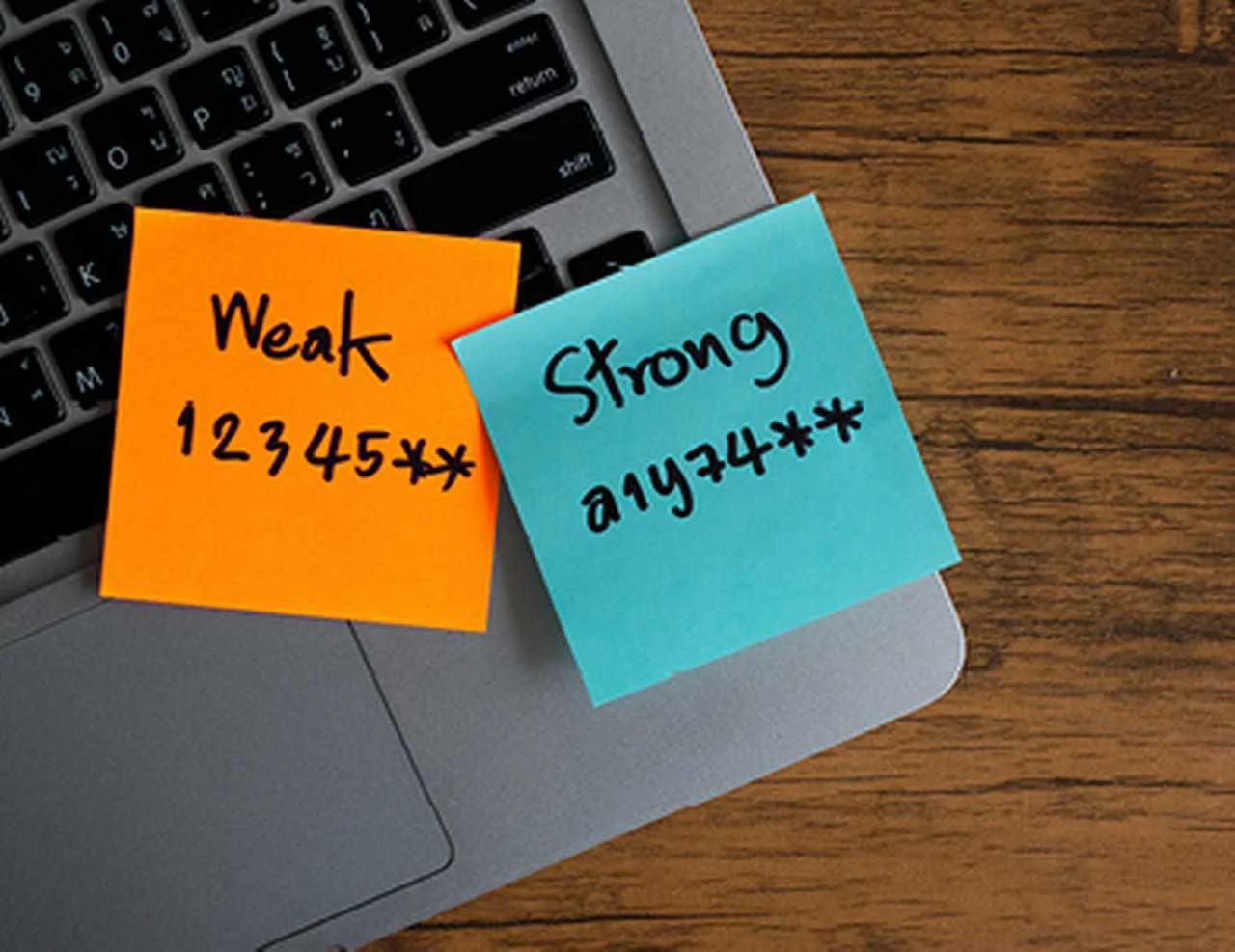
Create complex passwords combining uppercase and lowercase letters, numbers, and special characters. Avoid easily guessable information such as birthdays or common phrases. Ensure each account has a unique credential. A password manager can help store and manage your passwords.

Enable two-factor authentication (2FA)
Enhance account security by enabling 2FA, which requires additional verification steps beyond just a password. This often includes a one-time code sent to your mobile device or biometric verification, adding an extra layer of protection against unauthorized access.

Be cautious with emails, SMS, messenger, and links
Be vigilant with all types of messages, including emails, SMS, messenger apps, and other platforms. Always verify the sender’s identity, especially if the message seems unusual or urgent. Instead of clicking on links, manually type the publicly recognizedwebsite address into your browser to avoid malicious redirects.

Keep your devices and software updated
Ensure that your computer, mobile devices, and security software are up to date with the latest patches. Regular updates can help address security vulnerabilities that cybercriminals might exploit.

Regularly check your accounts and transactions
Consistently review your bank statements and transaction histories for any unauthorized or suspicious activities. Promptly report discrepancies to your bank to address potential fraud swiftly.

Be cautious with artificial intelligence (AI) content
AI-generated messages can be highly convincing and come in various forms, including text, video, or voice. They may even mimic familiar people, like family members, to appear more credible. Be cautious of urgent or well-crafted messages, especially those requesting sensitive details, and verify such messages through known contact information.

Stay informed about current threats
Keep yourself updated about the latest security risks by consulting trusted sources, such as official bank communications. Understanding common scams, phishing techniques, and fraud patterns can help you identify potential threats and allows you to react appropriately and take preventive measures.